Bromine
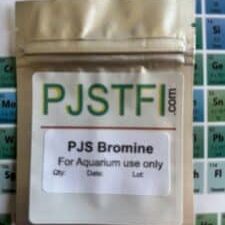
PJS Bromine Element Pack
$10.00
Bromine
Bromine (Br) atomic number 35, PJS considers it to be a MAJOR element as it plays a crucial role in the coloration, growth and development of corals, is used by other reef organisms and is above 1ppm in seawater. In the industry it is considered a trace element, we need to fix that. Bromine belongs to the diatomic non metal halogen group, alongside fluorine, chlorine and iodine. Like its halogen relatives, bromine is highly reactive and forms compounds with many other elements In reef aquariums, Bromine is an essential major element for a healthy reef aquarium, impacting coral coloration, growth, and overall reef health. It’s crucial to maintain bromine levels within the recommended range of 70 – 78 mg/l (ppm).
Bromine Key Roles
Coral Skeleton Growth and Health:
A component for a strong skeletal structural for hard corals and invertebrates.
Essential in the proper use and formation of aragonite, preventing the formation of brittle calcite.
Biological Processes:
Utilized in the photosynthetic process of zooxanthellae, production of fluorescence and aiding in UV protection.
Enable production of defensive enzymes, crucial for preventing coral damage and promoting vibrant colors.
Enhanced Coral Coloration:
Bromine, along with iodine and fluorine, plays a role in enhancing blue, white, and violet colorations in corals.
Crucial in producing enzymes for photosynthesis, enhancing the vibrant fluorescent colors often seen in corals.
Protection Against Parasites:
Bromine is incorporated by corals stimulating the manufacturing of enzymes aiding in defense to protect coral tissue from predators and parasites.
Bromine at correct levels helps control the populations of harmful bacteria and algae.
Bromine Levels
Natural Seawater Levels:
Bromine levels in natural seawater are typically 67 parts per million (ppm).
Target Aquarium Levels:
Many reef aquarists aim to maintain bromine at natural seawater levels.
PJS recommends aim for a bromine concentration of 70-78 mg/L.
Consumption Rate:
Slow to moderate.
Bromine Testing
ALWAYS test bromine levels in your reef aquarium before supplementing to determine if dosing is needed to avoid overdosing. Regularly test bromine levels using a reliable test kit or by sending water samples for ICP testing
Testing:
Regularly test strontium levels using a reliable test kit or by sending water samples for ICP testing
Bromine Dosing
Start slowly by beginning with a low, gradual dose over many days avoiding any sudden shifts in water chemistry and monitor the effects.
Methods:
Bromine can be dosed via liquid additives.
Consider Advanced Methods:
Dosing stock solutions with pumps and continuous drip systems can be used to maintain precise bromine levels.
Considerations
Overdosing bromine can become toxic to reef inhabitants, like shrimp and some fish. Overdosing bromine will lead to undesirable algae overgrowth. Balance to the order and ratio of halogens is critical to the overall health of your reef aquarium Low bromine levels lead to coral bleaching, poor coloration, reduced growth, and compromised skeletal structure. Excessive bromine levels can cause tissue detachment, starting in the middle of the coral. Must be dosed slowly, an imbalance will lead to tissue detachment, starting in the center of the polyp. Bromine levels can be impacted by the addition of other elements, due to how bromine is utilized. All corals and their zooxanthellae, invertebrates utilize bromine, it is steadily consumed Certain soft corals (like Dendronephthya) accumulate bromine for toxin production, using it to catch prey. Gorgonians and algae accumulate bromine. In corals bromine is used by both sides in the symbiotic relationship of corals and zooxanthellae.