Florine
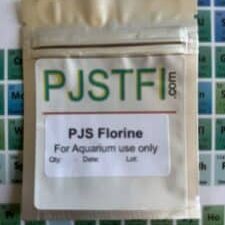
PJS Element Pack Florine
Florine
Florine (F) atomic number 9, PJS considers it to be a MAJOR element as it plays a crucial role in the skeletal development of corals, is used by other reef organisms and is above 1ppm in seawater. In the industry it is considered a trace element, we need to fix that. Florine belongs to the diatomic non-metal group and is naturally found in seawater. In reef aquariums, maintaining proper Florine levels is important for vitality and healthy coral growth, and supplementation may be necessary, especially in heavily stocked tanks.
Florine Key Roles
Enhanced Coral Coloration:
Florine supplementation enhances the blue and white colorations and fluorescence of corals.
Coralline Algae Growth:
Florine promotes the growth of coralline algae's, helping in Ph stability, which is what everyone wants for good reason. It is a great indicator of overall health of the reef tank; it outcompetes nuisance algae and the very visual wow factor.
Protection Against Parasites:
Florine helps protect coral tissue from parasites.
Skeletal Growth:
Florine is an essential element for the formation of the aragonite skeletons of all stony corals and is important in the coloration and vibrancy.
Skeletal Density:
It helps corals maintain a robust skeletal structure, helping in preventing brittleness.
Florine Levels
Natural Seawater Levels:
Florine levels in natural seawater typically range from 1.2 to 1.4 parts per million (ppm).
Target Aquarium Levels:
Many reef aquarists aim to maintain strontium levels within this natural range.
PJS recommends aim for a Florine concentration of 1.8-2.0 mg/L. This is a very small range!
Consumption Rate:
Fast.
Florine Testing
ALWAYS test Florine levels in your reef aquarium before supplementing to determine if dosing is needed to avoid overdosing.
Testing:
Regularly test Florine levels using a reliable test kit or by sending water samples for ICP testing
Florine Dosing
Start slowly by beginning with a low, gradual dose over days avoiding any sudden shifts in water chemistry and monitor the effects.
Methods:
Florine can be dosed via liquid additives.
Consider Advanced Methods:
Dosing stock solutions with pumps and continuous drip systems can be used to maintain precise Florine levels.
Considerations
Ensure the supplement is reef-safe and follow dosing instructions. Avoid overdosing, as it can lead to imbalances and become toxic to corals and other invertebrates in your tank. Florine is essential in proper strong skeletal formation. Florine must be maintained along with the 5 major building blocks, as they work together in coral growth. Low level of Florine lead to tissue necrosis. Concentration window for Florine is very narrow, requiring constant, regular testing to maintain. Calcium, alkalinity, magnesium and potassium levels all must also be maintained within the proper ranges as they all work in conjunction with each other and Florine. Never exceed 2.0mg/L of Florine, the ionic balance is catastrophically compromised at this point. Each reef tank is your work of art, and the ideal Florine level can vary based on many factors, such as your coral type, coral density, and your water parameters and husbandry practices. Florine is depleted from your water column through various processes, such as coral growth, skimmers, and other filtration methods quickly remove Florine. Clams, snails, shrimp and invertebrates use Florine to build, molt and maintain their shells and exoskeletons. Rapidly growing stony corals, particularly Small Polyp Stony (SPS) corals like Florine and must have consistent supply of for their growth and coloration. Strong calcium consumption, is an indicator that Florine is also being consumed at a quick rate as it's incorporated alongside calcium in skeletal growth.