Magnesium
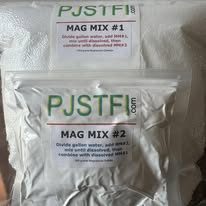
Supplement PJS Mag Mix
45.00
Magnesium
Magnesium (Mg) atomic number 12, is a crucial MAJOR element playing the crucial role in maintaining alkalinity and calcium levels for the skeletal development and health of corals, is used in biological functions and used by other reef organisms in seawater. Magnesium belongs to the alkaline earth metal group and is naturally found in seawater. In reef aquariums, maintaining proper magnesium levels is important for healthy coral growth, utilization of other elements and supplementation may be necessary, especially in heavily stocked tanks.
Magnesium Key Roles
Enhanced Coral Coloration:
Magnesium supplementation enhances the blue and purple colorations of corals.
Coralline Algae Growth:
Magnesium is essential for the growth of coralline algae's, helping in Ph stability, which is what everyone wants for good reason. It is a great indicator of overall health of the reef tank; it outcompetes nuisance algae and the very visual wow factor.
Protection Against Parasites:
Magnesium helps protect coral tissue from parasites.
Skeletal Growth:
Magnesium is one of the main 5 building blocks working with calcium, strontium, potassium and carbonate being incorporated into the aragonite skeletons of all stony corals and most all other reef critters.
Skeletal Density:
It helps corals maintain a robust skeletal structure, helping in preventing brittleness.
Magnesium Levels
Natural Seawater Levels:
Magnesium levels in natural seawater are typically 1280 parts per million (ppm).
Target Aquarium Levels:
Most reef aquarists maintain magnesium levels higher than natural sea water, improving buffering.
PJS recommends aim for a magnesium concentration of 1400-1440mg/L, with others elements at equal increased ratio.
Consumption Rate:
Slow to moderate, usually very steady.
Magnesium Testing
ALWAYS test magnesium levels in your reef aquarium before supplementing to determine if dosing is needed to avoid overdosing.
Testing:
Regularly test magnesium levels using a reliable test kit or by sending water samples for ICP testing
Magnesium Dosing
Start slowly by beginning with a low, gradual dose over days avoiding any sudden shifts in water chemistry and monitor the effects.
Methods:
Magnesium can be dosed via liquid additives.
Consider Advanced Methods:
Dosing stock solutions with pumps and continuous drip systems can be used to maintain precise magnesium levels.
Considerations
Aids in buffering by binding with calcium and carbonate to help keep them in suspension, aiding in the uptake for use by corals Best as a Daily dose, Dose slowly to avoid precipitating out other elements. Gradual adjustments, due to how magnesium works with other elements. Rapidly growing corals will consume more magnesium than slower-growing corals. Certain algae, particularly calcareous algae, also contribute to magnesium consumption. Magnesium keeps the precipitation of calcium and carbonate in check, that white crust buildup on equipment. While generally less problematic, high magnesium levels (above 2000 ppm) can negatively affect crustaceans and potentially some fish species. Adding magnesium can slightly increase salinity, so it's important to monitor and adjust as needed. Maintaining a stable level within this range is more important than strict adherence to a specific number Issues with calcium and alkalinity, check your magnesium.