Zinc
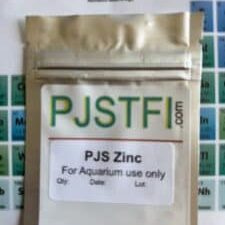
PJS Element Pack Zinc
5.00
Zinc
Zinc (Zn) atomic number 30, PJS considers it to be a Trace element as it plays a crucial role in the biological and metabolic process in corals and is used by all reef organisms and is measured by ppt in seawater. Zinc belongs in the transition metal group, along with molybdenum, vanadium, nickel, copper, iron, cobalt and ALL are naturally found in seawater. In reef aquariums, maintaining proper zinc levels is important for skeletal, biological, coral color, vitality and healthy coral growth, and supplementation will be necessary, especially in heavily stocked tanks.
Zinc Key Roles
Coral Skeleton Formation:
Zinc helps to stimulate skeletal formation.
Biological / Metabolism:
Zinc is essential for metabolic processes and enzyme production. It is used by zooxanthellae in photosynthesis. Zinc is required for conversion of nutrients and proteins to energy process for living things for growth , tissue repair, digestion, reproduction and must be maintained with all other within this group.
Zinc is metabolized at a cellular level for cell division by all organisms in the entire ecosystem including denitrification and conversion of inorganics to organics for consumption and export.
Enhanced Coral Coloration:
Zinc regulates the internal zooxanthellae balance while enhancing vivid coloration and intensity of corals.
Aids in UV protection for corals and zooxanthellae.
Protection Against Parasites:
Zinc is part of the protective slime that corals excrete.
Zinc Levels
Natural Seawater Levels:
Zinc levels in natural seawater typically .00059 parts per million (ppm).
Target Aquarium Levels:
Many reef aquarists maintain zinc levels below this natural range.
PJS recommends aim for a zinc concentration of .004-.006 mg/L. This is a very small range!
Consumption Rate:
Fast.
Zinc Testing
ALWAYS test zinc levels in your reef aquarium before supplementing to determine if dosing is needed to avoid overdosing.
Testing:
Regularly test zinc levels using a reliable test kit or by sending water samples for ICP testing
Zinc Dosing
Start slowly by beginning with a low, gradual dose over days avoiding any sudden shifts in water chemistry and monitor the effects.
Methods:
Zinc can be dosed via liquid additives.
Consider Advanced Methods:
Dosing stock solutions with pumps and continuous drip systems can be used to maintain precise zinc levels.
Considerations
Avoid overdosing, as it can lead to imbalances and become toxic to corals and everything in your tank. LPS and SPS corals benefit from controlled levels of zinc. Zinc is essential for many metabolic processes and enzyme production. Zinc is used by all living organisms, aiding in a balanced eco system. Foods may contain levels of zinc that can influence your parameters. Dosing zinc, more is not the answer, time is the answer Deficiency will lead to reduced and improper growth, sensitivity to lights, imped the ability to produce or consume nutrients, impacting the symbiotic relationship of corals and zooxanthellae. Overdosing will lead to tissue damage, coral bleaching. Zinc and boron are key factors in the biofilm for the cycling of nutrients in a healthy reef system. . Zinc helps inhibit the growth of algae’s and cyanobacteria within coral skeletons by production of biofilms.